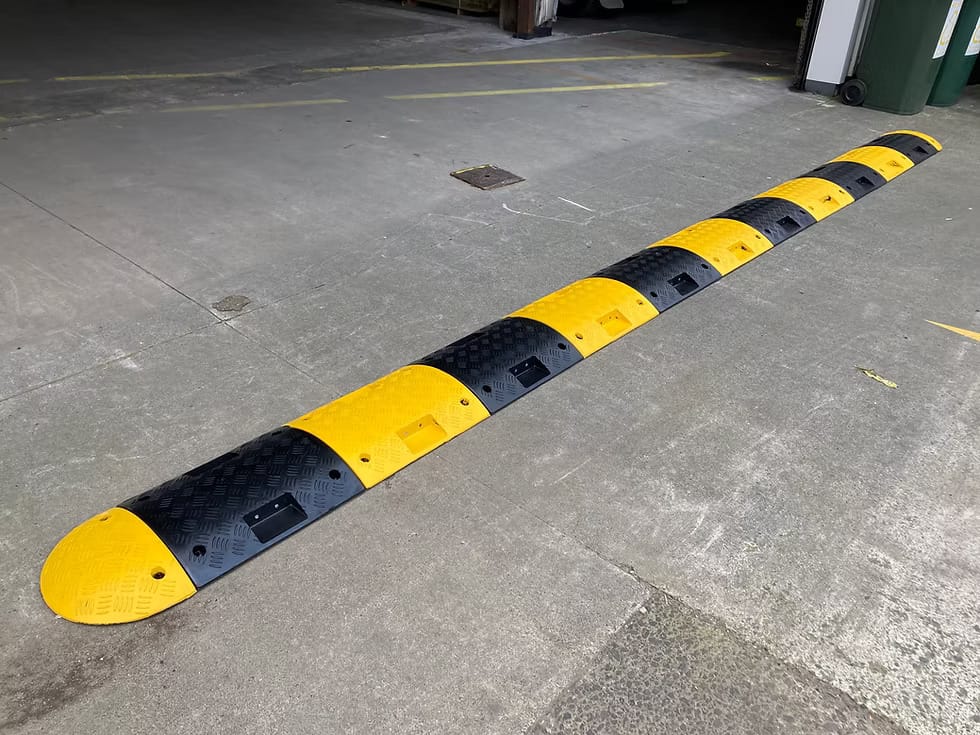
Home › Speed Bumps, Curbs, and Asphalt Accessories
Control traffic and protect pedestrians with professional speed bump installation in Houston, TX. We install asphalt speed humps, curbs, and parking accessories that match your layout and help calm vehicles through lots and drive lanes.
Precision Asphalt Houston provides professional speed bump installation throughout Houston, TX, Texas and the surrounding area. Our licensed, insured crew delivers safe, clean, on-time work with a free estimate before anything begins. Call (346) 523-8307 or request your free quote.
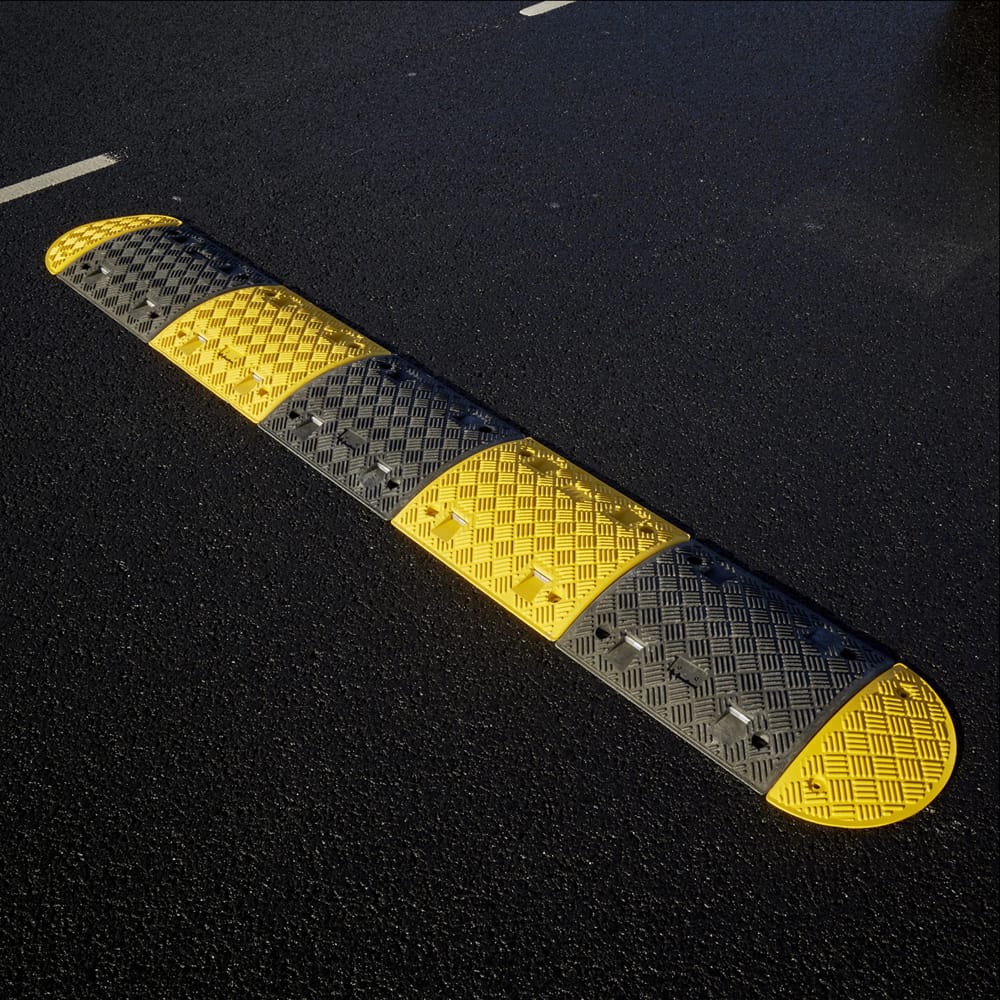
Practical Traffic Control Solutions for Houston Properties
Speed bumps, curbs, and related asphalt accessories are not cosmetic add-ons. They are the tools that control how vehicles move through your property and how long your pavement lasts. At Precision Asphalt Houston, we design and install these features to match real traffic behavior on Houston sites like apartments, HOA streets, schools, medical offices, churches, and commercial parking lots.
For speed bump installation, we start by walking the property with you. We look at blind corners, pedestrian routes, cut‑through traffic, and where drivers actually speed, not just where a sign was placed years ago. For curbs, we look at drainage flow, existing ponding issues, and how people park and turn. Accessories like wheel stops, bollards, traffic islands, and signage are laid out so they work together as a system, not as individual pieces dropped randomly in the lot.
Houston drivers are used to wide lanes and quick turns, so height and spacing of speed bumps matter. If they are too aggressive, drivers cut across parking spaces or shoulders to avoid them, which tears up the edges of your asphalt. If they are too low or spaced too far apart, they do not reduce speed at all. Precision Asphalt Houston uses this local experience to place and size each feature so it actually changes driver behavior while keeping access smooth for delivery trucks, garbage trucks, and emergency vehicles.
How Professional Speed Bump Installation Is Done
A proper speed bump installation starts long before any asphalt is placed. We measure lane width, typical traffic speed, and your vehicle mix, for example sedans, pickups, delivery vans, or fire trucks. From there we decide on bump type and profile. For most Houston properties we use long asphalt speed humps that span the full lane width and have a gradual ramp, usually in the 2.5 to 3.5 inch height range, so vehicles slow down without scraping.
The work area is then laid out with paint to show the bump footprint and tie‑in points. We sawcut the existing asphalt edges where needed to create clean joints. Any soft or alligatored pavement under the planned bump is cut out and patched, because building a bump over weak pavement guarantees cracking and rutting in the first hot summer.
Next, we place and compact a leveling course if the existing pavement is uneven. Hot mix asphalt is then placed to the designed thickness and shape, usually in one course for smaller bumps and in two lifts for wide humps on drive lanes that carry heavy trucks. We shape the bump with asphalt lutes while it is still workable, then compact it with a steel drum roller and a vibratory plate at the edges so the transition feels firm but not harsh.
After compaction and cooling, we install reflective striping over the bump using traffic paint or thermoplastic, along with advance warning markings or signs if needed. In many Houston parking lots, we schedule speed bump installation early in the morning so the surface can cool and traffic can resume by mid‑day. For high‑traffic commercial sites we often phase the work and keep at least one access lane open at all times.
Curbs, Gutters, and Edge Protection That Work in Houston Weather
Curbs and related concrete work around asphalt are critical for drainage and for protecting pavement edges from breaking apart. In Houston, intense downpours and flat grades combine to push a lot of water across your pavement surface. If curbs are missing or broken, water spills over the edges and erodes the base, which leads to edge cracking and crumbling.
Precision Asphalt Houston installs several curb types depending on the site. For parking lots we typically use concrete barrier or curb‑and‑gutter sections that both channel water and keep vehicles from driving into landscaping or pedestrian areas. In tighter spaces or retrofit jobs, we may use asphalt curbing that can be formed quickly along existing pavement, though we explain that concrete usually provides longer life under repeated wheel contact.
The process usually includes sawcutting and removing failed asphalt along the edge, excavating to the proper depth, compacting a stable base, then forming and pouring concrete with the right cross slope for drainage. Rebar or dowels are drilled and tied into existing slabs or approaches where needed so the curb does not separate under traffic or settlement.
A key Houston‑specific issue is joint sealing and control joints. High heat and periodic ground movement can open unplanned cracks if joints are not placed correctly. We cut or form joints on a regular spacing and use appropriate sealants in key areas to reduce water infiltration where it can hurt your base. When we tie curbs into speed bumps or raised crosswalks, we pay special attention to low spots where water could pond for days after a Gulf storm.
Asphalt Accessories That Complete a Safe, Readable Layout
Speed bumps and curbs work best when they are paired with the right accessories. Precision Asphalt Houston offers a full package of asphalt accessories that make your lot easier to use and safer to walk and drive through.
Common additions include concrete or recycled rubber wheel stops, bollards to protect buildings and equipment, raised traffic islands, and ADA‑compliant ramps and truncated domes for accessible routes. We also handle pavement markings and signage, such as directional arrows, crosswalks, stop bars, and speed limit legends, so your new traffic control devices are obvious to drivers.
For example, in a busy shopping center we might install wide asphalt speed humps at main crosswalks, concrete curbed islands to separate entry and exit lanes, rubber wheel stops in front of storefront parking, and bollards at corners near pedestrian doors. The pavement is then striped with clear crosswalk lines, yellow bump markings, and white parking stalls. This layered approach keeps vehicles on the paths you want and gives pedestrians predictable, protected routes.
Material selection matters. In high‑heat Houston conditions, cheaper plastic products can warp or fade quickly. We specify accessories that handle UV exposure and surface temperatures that often exceed 140 degrees on dark asphalt. When we use rubber speed cushions or bolt‑down bumps in certain retrofit cases, we use high‑quality hardware and seal the anchoring holes to keep water from penetrating and weakening the pavement below.
Costs, Options, and Common Issues to Plan For
The cost of speed bump installation, curbing, and accessories depends on more than just lineal footage. Precision Asphalt Houston looks at how many locations are needed, how easy it is to access each area, the thickness and condition of your existing pavement, and whether concrete and asphalt work must be done at the same time.
As a general rule, it is more cost‑effective to install multiple bumps or curbed islands in one mobilization than to call us out for one small item at a time. Working around business hours, such as evenings for restaurants or weekends for offices, can affect labor costs, although it often saves you money overall by preventing lost business during peak hours.
Common issues we solve include poorly placed existing bumps that cause water to pond on one side, curbs that trap water instead of directing it to inlets, and mismatched heights that cause vehicles to bottom out. In Houston, older properties often have patched overlays where new asphalt was placed over old curbs. We may need to mill or cut back some areas so new speed bumps and accessories sit at proper elevations and do not create trip hazards at transitions.
Before hiring any contractor, ask for specific details. For speed bumps, ask about height, length, and spacing, and request a simple layout sketch on a site plan. For curbs, ask how they will handle drainage and tie into existing structures. For accessories, ask what materials will be used and how they will be anchored. A clear plan up front reduces change orders and makes it easier to compare proposals that may not look alike at first glance.
Why Houston Properties Choose Precision Asphalt Houston
Owners and managers who call Precision Asphalt Houston are usually trying to solve a specific problem, such as speeding through an apartment drive, near misses in a school parking lot, or recurring edge failures where vehicles keep driving off the pavement. Our approach focuses first on what is happening on your site, then on the right mix of speed bumps, curbs, and accessories to control it.
We are familiar with City of Houston and local fire department considerations, such as keeping main fire lanes clear of overly aggressive bumps, providing adequate turning radii, and maintaining access grades. Where applicable, we flag any permitting or HOA guidelines that may affect the spacing or type of traffic calming devices you choose.
When you schedule an estimate, you can expect a straightforward walk‑through of your property, discussion of traffic patterns, and a written proposal that identifies specific locations and materials. For active businesses, we include a phasing plan, for example closing only one drive at a time, and clear timelines so staff and tenants know what to expect.
If you are planning new speed bump installation, replacing failing curbs, or adding wheel stops, islands, or bollards, Precision Asphalt Houston can handle it as a coordinated scope so you are not juggling multiple trades. That coordination is what keeps the work on schedule and keeps your property operating while improvements are made.