Home › Gravel-to-Asphalt Conversions
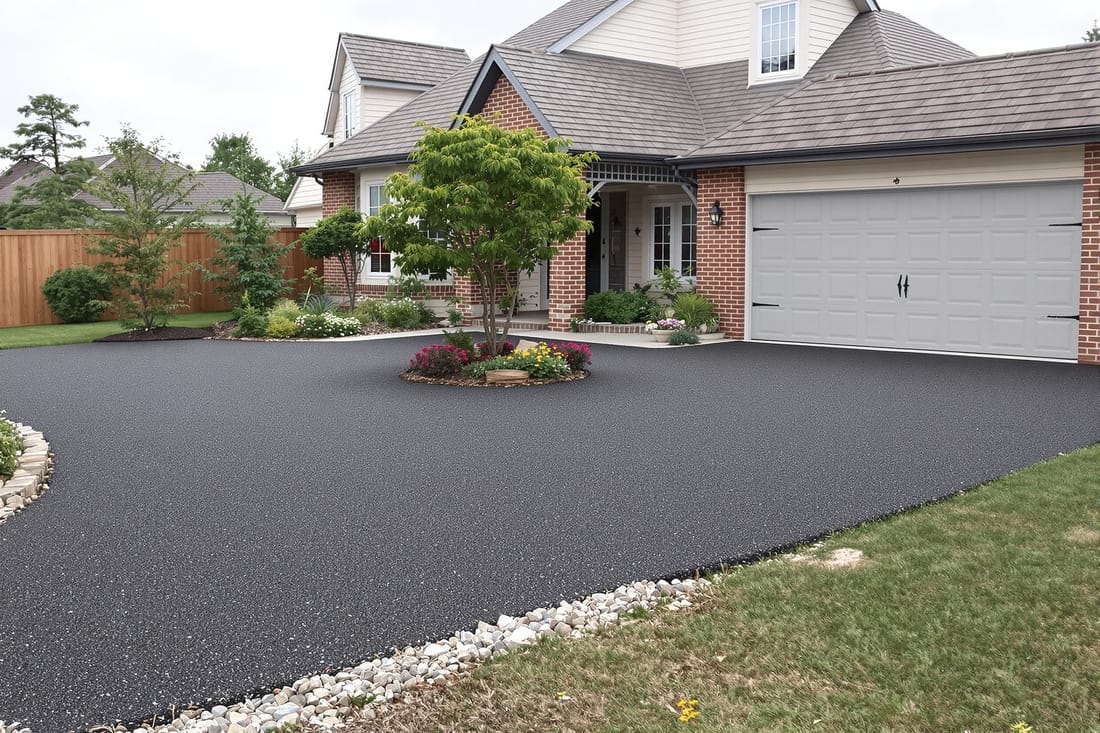
Tired of dust, mud, and ruts from your gravel drive. Our gravel to asphalt driveway conversions in Houston, TX transform rough surfaces into smooth, low maintenance asphalt. We rebuild the base where needed and install a durable paved driveway that looks clean and professional.
Precision Asphalt Houston provides professional gravel to asphalt driveway throughout Houston, TX, Texas and the surrounding area. Our licensed, insured crew delivers safe, clean, on-time work with a free estimate before anything begins. Call (346) 523-8307 or request your free quote.
Turn Your Gravel Driveway Into Smooth Asphalt in Houston
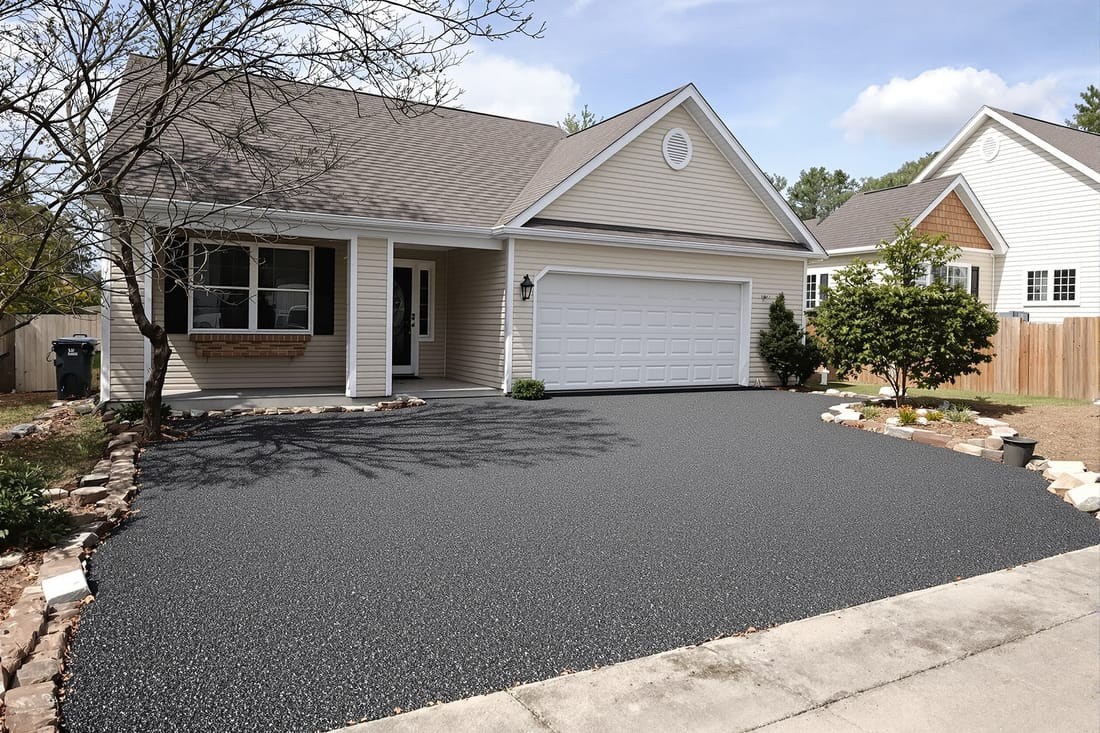
A gravel driveway can be dusty, muddy, hard to maintain, and tough on vehicles. Converting it to asphalt gives you a clean, stable surface that looks finished and is easier to live with in Houston’s heat and sudden rainstorms. Precision Asphalt Houston focuses specifically on gravel to asphalt driveway conversions, so we know how to work with existing base material, drainage patterns, and the typical lot layouts you see across Houston neighborhoods.
Whether you have a long gravel drive out by Cypress, a short entry in Spring Branch, or a shared driveway in an older inner-loop neighborhood, we adapt our approach to your property. Our goal is simple: give you a smooth asphalt surface that drains correctly, holds up to your traffic, and adds real curb appeal, without surprises during or after construction.
From the first visit, we look beyond the surface gravel. We check how thick the existing base is, where water is currently going, and how close we are to garages, carports, and front walks. That careful evaluation is what lets us reuse as much of your existing structure as possible while still giving you a driveway that will not rut or crack prematurely.
How We Convert Gravel to Asphalt, Step by Step
A successful gravel to asphalt driveway conversion is mostly about what happens below the black surface. Here is how Precision Asphalt Houston typically handles the process.
1. Site evaluation and layout. We measure the driveway, check elevations with a laser level, and mark edges, transitions, and any tight curves. In Houston, we pay special attention to where water currently stands after storms and how close tree roots are to the drive.
2. Scarifying and reshaping the existing gravel. We use grading equipment to loosen and remix the existing gravel, then reshape the driveway with the correct slope. In most residential situations we aim for at least a 2 percent cross slope so water sheds instead of sitting on the surface.
3. Base repair and reinforcement. If the gravel base is thin or soft, we add additional crushed limestone or recycled concrete base and compact it in layers. In areas with clay soil, which is common in much of Houston, we sometimes recommend stabilizing the base with lime or cement to reduce future movement.
4. Edge definition. For drives next to grass, we cut a clean edge so the asphalt is supported, not just feathered into soil. Where the driveway meets concrete (garage slabs, sidewalks, city sidewalks) we set up the correct height so there is no trip edge once the asphalt is installed.
5. Asphalt installation. We typically install a 2 to 3 inch compacted asphalt surface for residential driveways, depending on traffic and base strength. The mix is delivered hot, spread with paving equipment or by hand on tight spots, then compacted with a steel drum roller to lock everything together.
6. Final compaction and detailing. We check transitions at the street, garage, and walkways, make any needed handwork adjustments, and roll again for a tight, even finish. Before we leave, we explain curing time, when you can drive and park on the new surface, and how to get the longest life from your new asphalt driveway.
Design, Thickness, and Material Options for Your New Asphalt Driveway
Not every gravel to asphalt driveway needs the same structure. Precision Asphalt Houston will walk you through the options that actually matter for Houston homes.
Asphalt thickness and base depth. Light residential driveways that see sedans and SUVs typically use about 2 inches of compacted asphalt over 4 to 6 inches of solid base. If you regularly park work trucks, trailers, or RVs, we may recommend 3 inches of asphalt and a thicker base in parking or turning areas. This lets you target strength where you really need it without overbuilding the entire drive.
Mix types. For most homes, we use a dense graded hot mix designed for Houston’s climate. In shaded, damp areas that tend to stay wet, we may suggest a slightly coarser surface that gives better traction. On long rural drives, some owners like a slightly more open texture that blends visually with the surroundings while still providing a solid surface.
Layout refinements. A conversion is the ideal time to correct awkward spots in your existing gravel driveway. We can widen tight curves, create a small parking pad beside the main run, or soften a steep approach to a garage where possible. We also adjust the alignment to reduce tire rut patterns that may have developed in the gravel.
Edges and borders. If you prefer a crisp, finished look, we can plan for concrete ribbons, paver borders, or simply clean asphalt edges with neatly graded shoulders. Proper edge support is not just cosmetic, it protects against cracking and crumbling at the sides of the driveway over time.
What Affects Cost and Timeline for Gravel-to-Asphalt Conversions in Houston
Homeowners often want to know why one gravel to asphalt driveway quote is higher than another. Precision Asphalt Houston is transparent about what drives the price and schedule so you can make a clear decision.
Base condition. This is usually the biggest factor. If your existing gravel is deep, well compacted, and has been in place for years, we can often reuse most of it with minor corrections, which lowers cost. If the driveway has soft spots, standing water, or deep ruts, we will need more base work and compaction to prevent future failures, which adds time and material.
Driveway size and access. Long or wide driveways take more asphalt and base, but access also matters. Tight alleys, gated properties, or lots with limited truck access may require more labor and smaller equipment, which affects cost. In some older Houston neighborhoods with narrow streets, we may schedule material deliveries at specific times to avoid traffic and parking conflicts.
Drainage improvements. Correcting poor drainage, adding shallow swales, or tying into existing culverts or street gutters can increase the scope but is often essential. Fixing drainage during the conversion is far less expensive than repairing water damage and premature cracking later.
Weather and curing. Houston’s climate lets us work much of the year, but heavy rain can delay paving days. Our typical residential gravel to asphalt driveway conversion takes 1 to 2 days for most properties once work starts, not counting weather delays. We will let you know in advance how long you will need to park elsewhere and when normal use can resume.
We provide itemized estimates that separate base work, asphalt thickness, and any drainage or design extras so you can see exactly what you are paying for.
Common Gravel-to-Asphalt Problems We Prevent Before They Start
Many issues people blame on asphalt are really base or drainage problems that were not addressed during the conversion. Precision Asphalt Houston focuses heavily on prevention, especially with Houston’s expansive soils and intense storms.
Standing water and puddles. If your gravel driveway already holds water after a rain, simply paving over it will trap that problem under the asphalt. We adjust grades, create subtle crowns or cross slopes, and, where necessary, install shallow ditches or tie-ins to existing drainage paths so water has a reliable place to go.
Soft spots and sinking areas. We probe and test for weak zones along the driveway. Any area that flexes under equipment or holds moisture gets excavated and rebuilt with proper base material and compaction before asphalt goes down. This is particularly important near garage doors and where vehicles regularly turn.
Cracking from tree roots. Houston’s mature oaks, pines, and other trees are valuable, but roots close to a driveway can lift and crack asphalt over time. We look at root patterns, recommend modest alignment shifts where possible, and discuss root pruning options only when it can be done without harming the tree. In some cases, we reinforce specific sections of the base to better distribute loads over minor root areas.
Tracking and mess at the street. One reason homeowners convert gravel to asphalt is to stop dragging rocks into the roadway or garage. We pay attention to the transition at the public street or shared drive so you have a smooth, stable entrance that does not ravel or scatter material over time.
By tackling these issues during design and prep, we help your new asphalt driveway stay smooth and attractive much longer, with fewer surprises.
What to Expect When You Hire Precision Asphalt Houston
A gravel to asphalt driveway conversion touches daily life, from where you park to how your home looks from the street. We try to make the process straightforward and low stress.
Consultation and proposal. We start with a site visit, listen to how you use your driveway, look at any problem spots you already know about, and measure everything carefully. Then we prepare a written proposal that spells out base repairs, asphalt thickness, drainage improvements, and the total investment.
Scheduling and preparation. Once approved, we schedule work for a window that fits your schedule and the forecast. We explain where you can park while the driveway is under construction and how access to your home will be managed during each phase.
Construction and communication. During the work, our crew foreman is available for questions and will walk you through key steps, like how we are handling any soft areas or drainage changes. We keep the jobsite as orderly as practical and clean up thoroughly at the end of each day.
Final walk-through and care tips. After paving and compaction are complete, we walk the driveway with you, check edges and transitions, and answer any remaining questions. We provide specific care guidelines for Houston’s climate, such as how long to avoid sharp turns in place, when to sealcoat, and what to watch for after the first heavy rain.
Precision Asphalt Houston is a local team, so if you have questions weeks or months after your gravel to asphalt driveway is finished, we are easy to reach and familiar with the conditions your driveway is facing.