Home › Asphalt Milling and Reclamation
Prepare your pavement for a fresh surface with asphalt milling in Houston, TX. We remove worn asphalt to the proper depth, correct grades, and can reclaim materials on site to build a stronger base for overlays or reconstruction.
Precision Asphalt Houston provides professional asphalt milling throughout Houston, TX, Texas and the surrounding area. Our licensed, insured crew delivers safe, clean, on-time work with a free estimate before anything begins. Call (346) 523-8307 or request your free quote.
Asphalt Milling and Reclamation for Houston Properties
Asphalt milling is a cost‑effective way to remove and replace worn pavement without tearing out your entire parking lot or roadway. Precision Asphalt Houston uses heavy milling machines to grind off a controlled depth of asphalt, usually from 1 inch to several inches, so we can correct grade problems, remove surface failures, and prepare a solid base for new asphalt.
Reclamation goes a step further. Instead of hauling off the milled asphalt, we can pulverize the existing asphalt and a portion of the base together, then reshape and compact it to form a new stabilized foundation. This is often the right option for older Houston lots and drives where the surface is failing but the subgrade soil is mostly sound.
For local commercial properties, churches, industrial yards, and HOA streets, milling and reclamation can cut costs compared to full-depth reconstruction, shorten downtime, and improve drainage. Precision Asphalt Houston evaluates each site in person, taking into account age of the pavement, type of traffic, standing water, and visible cracking patterns before recommending a plan.
How Asphalt Milling Actually Works
The milling process starts with a site walk. We identify soft spots, pothole clusters, rutting in drive lanes, and areas where water ponds after a Gulf Coast rain. We use this information to set milling depths. For example, shallow surface cracking may only require 1 to 1.5 inches, while deep ruts in truck lanes might need 2 to 3 inches.
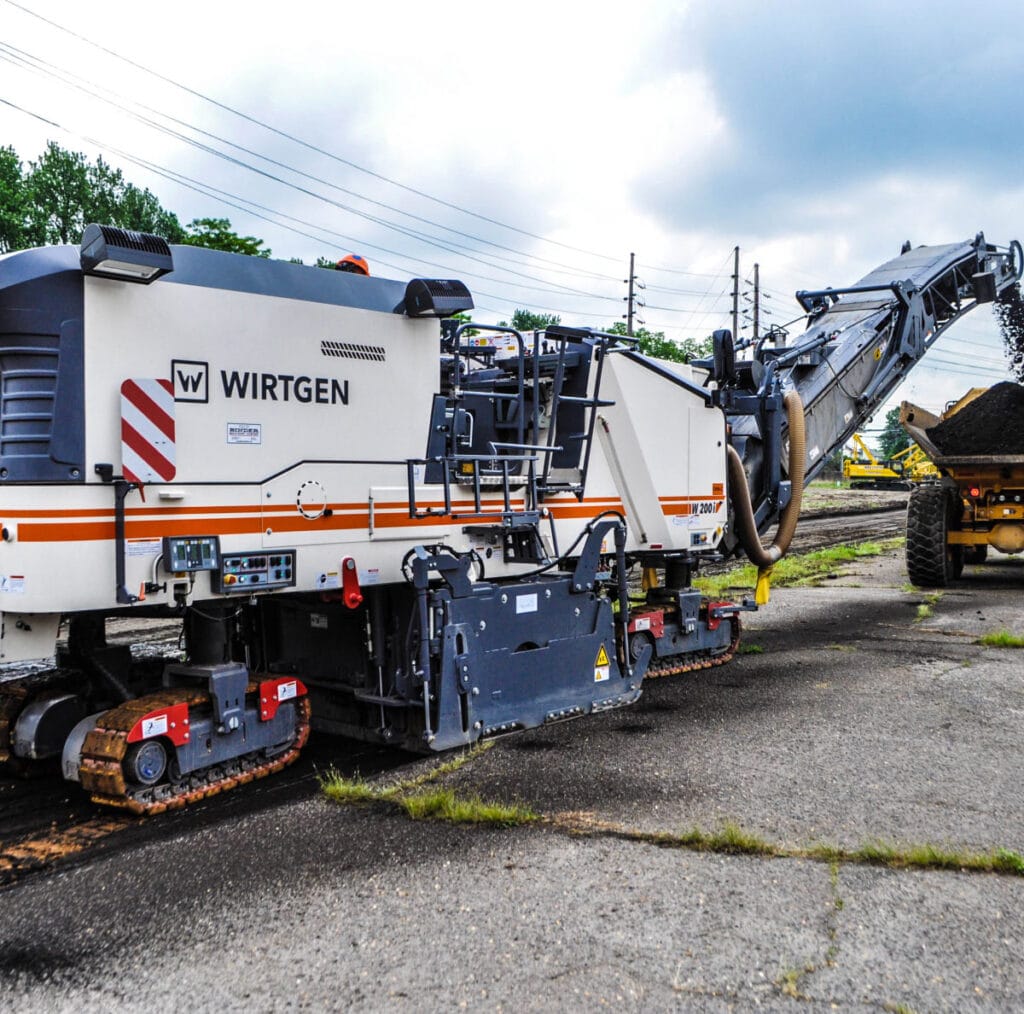
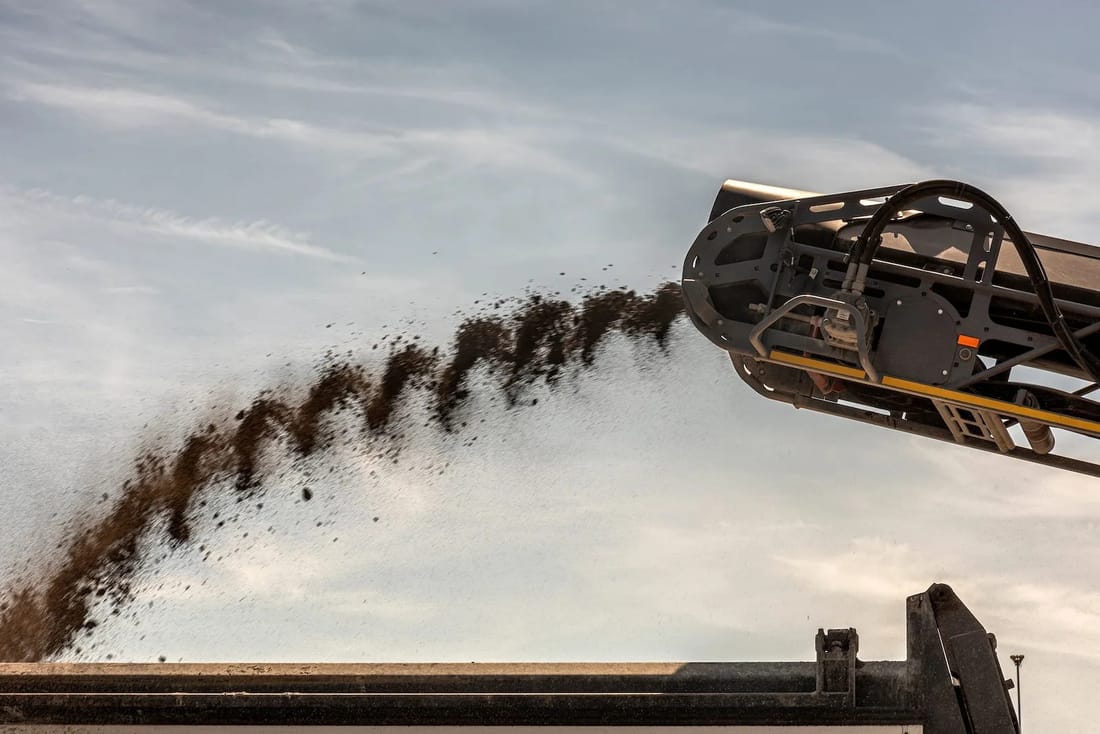
Our crews bring in a cold planer (milling machine) with a rotating drum lined with carbide teeth. The machine grinds the asphalt in a controlled pass and a conveyor transfers the milled material into dump trucks. Edge milling along gutters, concrete aprons, and ADA ramps is done first so finished grades match existing structures without creating trip hazards.
Next, we sweep and clean the milled surface thoroughly. Any unstable areas that show pumping, loose base, or saturated subgrade are cut out and undercut. We may import crushed concrete or limestone base to rebuild those areas before paving. Once the base is sound, a tack coat is applied to the milled surface to bond the new asphalt layer.
Finally, we install a new asphalt overlay, usually 1.5 to 3 inches thick depending on traffic loads. For heavy truck areas around loading docks or dumpster pads, we often recommend a thicker lift or a higher‑strength mix. The result is a smooth, uniform surface tied into existing structures, with corrected slopes and better drainage.
Full‑Depth Reclamation and When It Makes Sense
Full‑depth reclamation is used when the pavement is too far gone for standard milling. When we see widespread alligator cracking, multiple generations of overlays, or severe base failures, it often makes more sense to recycle the existing asphalt and base than to keep patching.
With reclamation, Precision Asphalt Houston uses a reclaimer/stabilizer to grind the asphalt and several inches of base together in place. We then add water, and in some cases stabilizing agents like cement or fly ash, to meet strength requirements. The mixed material is graded to establish proper slope and then compacted with heavy rollers to create a new, strong base layer.
After a curing period, we place new asphalt on top of this reclaimed base. This gives you a structure that performs more like new construction at a lower cost than full removal and replacement. Reclamation is common for older apartment complexes, private business parks, and long rural driveways outside Beltway 8 where there is enough width and length to work efficiently.
Not every site is a good candidate. Areas with underground utilities too close to the surface, poor drainage that cannot be corrected with grading, or unstable Houston clay that stays saturated may still require traditional excavation. We explain those limitations up front and walk through alternatives with you.
Houston‑Specific Considerations: Weather, Soil, and Drainage
In the Houston area, milling and reclamation must account for heavy rain, high heat, and expansive clay soils. If the pavement traps water because of poor slope, any overlay will fail early. Precision Asphalt Houston checks existing grades in relation to storm inlets, swales, and gutters, and we set our milling depths to create positive drainage. In many cases we adjust cross slopes slightly so water sheds instead of standing in wheel paths.
During hot months, we schedule milling and paving to minimize exposure of the milled surface so the base does not dry out and ravel. In lower lying areas of Houston, such as parts of Pasadena, Baytown, and the Ship Channel industrial zones, we avoid reclaiming during periods when the water table is high to reduce soft spots.
Local clays can swell and shrink. When reclamation is used, we evaluate whether cement or other additives are needed to stiffen the reclaimed layer. For facilities with frequent heavy truck traffic, like distribution centers or oilfield supply yards, we may increase reclaimed depth and asphalt thickness to handle repeated loading.
Because many Houston HOAs and business parks have strict appearance and drainage expectations, we also consider how new pavement will interact with landscaping, curb heights, and existing concrete. Small adjustments at the milling stage, such as feathering near tree roots or adjusting meeting points at sidewalk ramps, help prevent future problems like exposed root heave or ponding at ADA transitions.
Costs, Bids, and What Drives the Price
The cost of asphalt milling or reclamation in Houston is driven by several real factors, not just square footage. Milling depth directly affects price, since deeper cuts require more machine time and more new asphalt. Areas with heavy rutting or failed base will need undercutting and base repair, which adds labor and materials.
Access also matters. Wide open lots where we can run large equipment and keep trucks cycling through will cost less per square foot than tight inner‑loop properties with limited staging space. Night work or phased projects so you can keep part of your lot open are often necessary for busy retail centers and medical offices, but they add to labor costs due to off‑hours scheduling and extra traffic control.
Reclamation pricing depends on depth, stabilizer type and dosage, curing time, and whether additional base needs to be imported. On some sites, reclaiming 6 to 8 inches and adding cement can still be cheaper than removing and hauling off the old pavement and base.
Precision Asphalt Houston provides written proposals that break out milling or reclamation, base repair, asphalt thickness, and striping as separate line items so you can see where the money goes. We can also offer alternates, such as a thinner overlay in low‑traffic areas and a thicker design in truck lanes, to keep you within budget while protecting the most critical sections of your pavement.
Permits, HOA Rules, and Working Around Your Operations
Inside the Houston city limits and many nearby jurisdictions, milling and reclamation on private property typically do not require full street construction permits, but there are still rules we follow. For example, when work affects public sidewalks, drive approaches, or city right of way, we coordinate any required permits and traffic control with the city. For commercial centers along major corridors, we often place temporary signage and cones in accordance with local expectations so access is clearly marked.
HOAs and managed properties around Houston often have restrictions on working hours, noise, and dust control. Precision Asphalt Houston meets with property managers in advance to plan phasing, so residents or tenants always have a way in and out. During milling or reclamation we use sweepers and water trucks as needed to limit dust, and we schedule the loudest operations for approved time windows.
For schools, churches, and medical offices we plan work around peak times, such as school drop‑off or Sunday services. We can divide large lots into sections so some parking remains open while we work on the rest. Clear communication, advance notices, and phasing maps help your users know where to park and how long each section will be closed.
Before you hire any contractor, ask for project references in the Houston area specifically for milling or reclamation, not just sealcoating or small patches. Ask to see examples where they corrected drainage, handled base failures, or kept a busy facility open during construction. Precision Asphalt Houston is prepared to provide those details so you can make an informed decision.